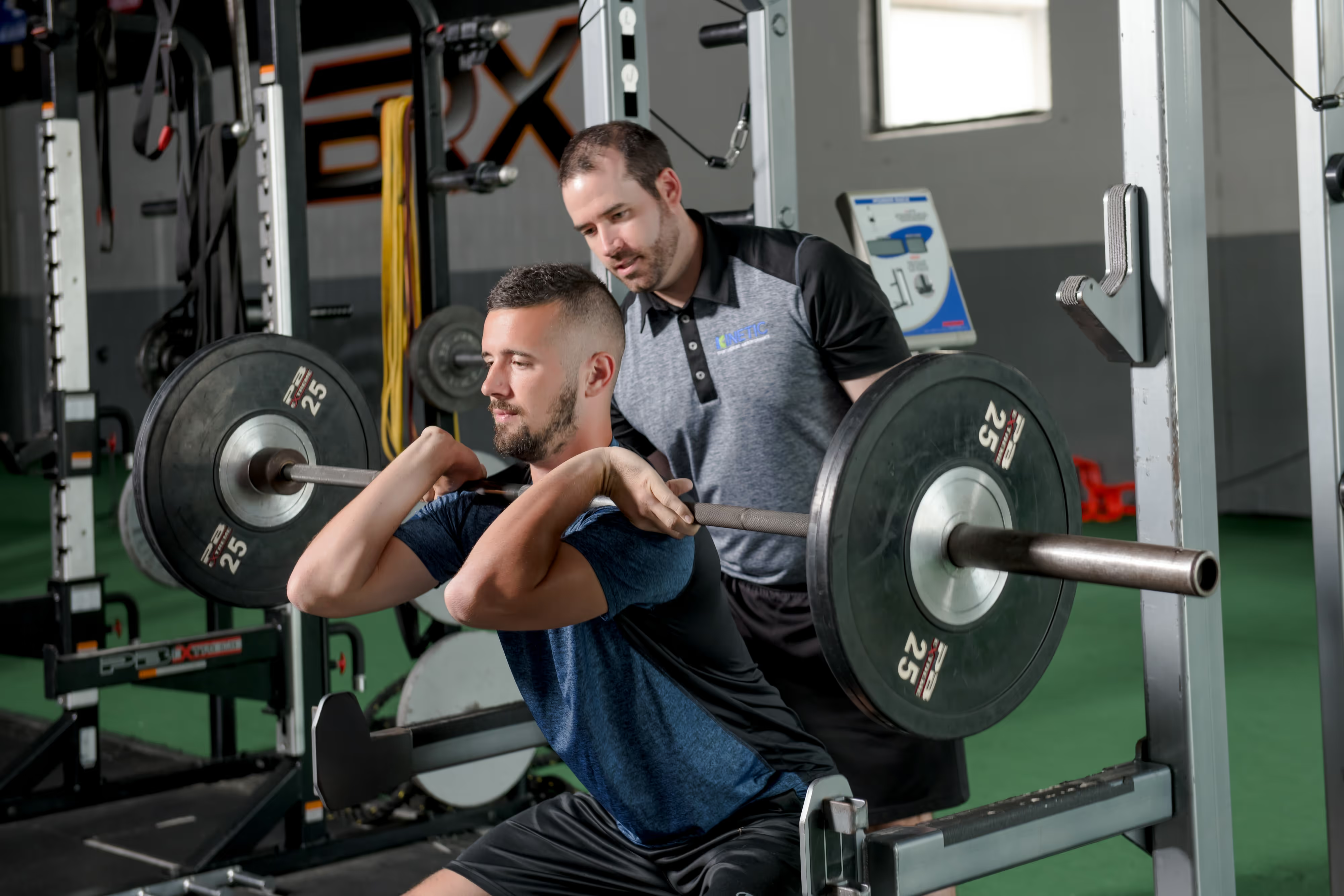
Experts in Barbell Physical Therapy
BUILT BY LIFTERS, FOR LIFTERS
We don't tell you to stop lifting - we help you train smarter. Our barbell program keeps you under the bar while addressing what's holding you back.

STOP TRAINING AROUND PAIN

DELOADING ISN'T HEALING
Dropping weight masks symptoms but doesn't fix the problem. You need targeted solutions, not endless light days.

COMPENSATION PATTERNS
When one area hurts, your body finds workarounds. Today's hip shift becomes tomorrow's back injury.

MISSING PR OPPORTUNITIES
Every painful rep reinforces bad patterns. You're leaving pounds on the platform and risking bigger setbacks.
THE BARBELL ATHLETE'S ROADMAP
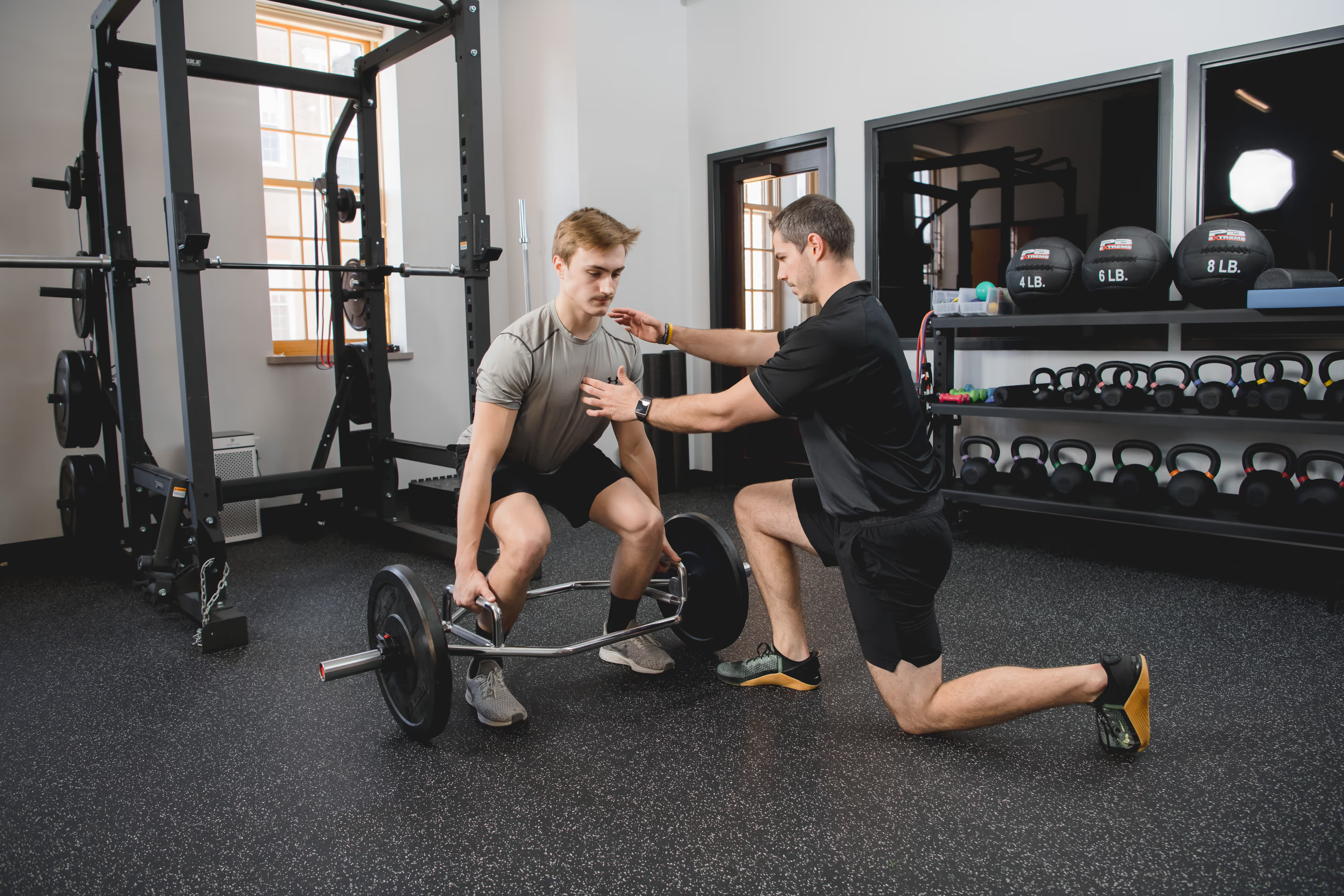
From minor technique tweaks to major injury recovery, our 3-step protocol keeps you training while fixing what's broken. No cookie-cutter programs, just personalized plans from PTs who understand the demands of heavy lifting.


ATHLETES WHO CAME BACK STRONGER than ever
Real stories from athletes who trusted us with their comeback and exceeded their goals.














Name Surname
Position, Company name
Name Surname
Position, Company name
Name Surname
Position, Company name
Name Surname
Position, Company name
Name Surname
Position, Company name
Athletes We've Served











FAQs
Lifting injuries require specialized understanding of barbell movements and training demands. Here are answers to the most common questions strength athletes ask about barbell physical therapy and safe return to lifting.
We specialize in strength training injuries including lower back pain from deadlifts and squats, shoulder impingement from overhead pressing, knee pain during squats, hip flexor strains, bicep tears, and wrist/elbow pain from heavy lifting. We also address overuse injuries from high-volume training and acute injuries from failed lifts or form breakdowns. Our team understands the specific movement patterns and loading demands of powerlifting, Olympic lifting, and general strength training.
Barbell physical therapy requires deep understanding of complex multi-joint movements like squats, deadlifts, and Olympic lifts. Generic exercises won't prepare you for the specific strength, mobility, and movement quality demands of heavy lifting. We analyze your lifting technique, identify movement compensations, and use progressive loading strategies that mirror your training. Our Barbell Athlete's Roadmap is designed specifically for lifters who need to return to moving heavy weight safely and effectively.
We use detailed movement screens and video analysis to break down your squat, deadlift, bench press, and overhead movements. This includes assessing your setup, breathing patterns, bracing techniques, bar path, and common compensation patterns. We then develop specific mobility work, corrective exercises, and movement drills to address these technical flaws. Many lifters discover they can lift heavier and with less pain after addressing these fundamental movement issues.
Our return-to-lifting progression follows systematic loading principles, starting with bodyweight and light resistance movements, progressing through moderate loads with perfect form, and finally returning to your previous training intensities. We use pain levels, movement quality, and strength testing to guide progression. Most lifters follow a 6-10 week program, but this varies based on injury severity and individual response. We never sacrifice long-term health for short-term PRs.
Absolutely. We work with powerlifters, Olympic weightlifters, CrossFit athletes, strongman competitors, and recreational gym-goers who love to lift heavy. Each discipline has unique movement patterns and injury risks – a powerlifter's hip mobility needs differ from an Olympic lifter's thoracic spine requirements. We tailor our approach based on your specific lifting goals and competitive demands, whether you're training for your first meet or competing at national levels.
Prevention starts with proper movement patterns, adequate mobility and stability, smart programming, and listening to your body's warning signs. We teach lifters how to maintain proper form under fatigue, recognize early signs of overtraining, and build the foundational strength needed to handle heavy loads safely. Many of our barbell athletes continue with movement assessments and corrective work to address imbalances before they become injuries, especially during intense training cycles.
Still have questions?
Ready to get back under the bar with confidence? Our barbell specialists understand heavy lifting and are here to create your personalized return-to-lifting plan.